Source : Internet

New Android phones aren't worth buying anymore


Andy is a senior writer and former Mac editor at HTG. He has over 20 years experience as a consumer tech journalist, and has covered everything from the old Palm Pilots to the original iPhone and Android devices, to the latest gadgets.
He has written and edited for UK-based print publications like PDA Essentials and Android Magazine, and online at sites including MUO, Android Tips and Hacks, broadband.co.uk, and Envato. He has a passion for all things mobile and has been a keen Mac enthusiast since 2005.
Android is in a strange place right now. New phones have never been better, yet it's harder than ever to justify buying the latest one. You're better off keeping your current device until it's no longer up to the job. And when you do need to replace it, buy an older model instead.
New phones have never been less exciting
Manufacturers have run out of hardware innovations
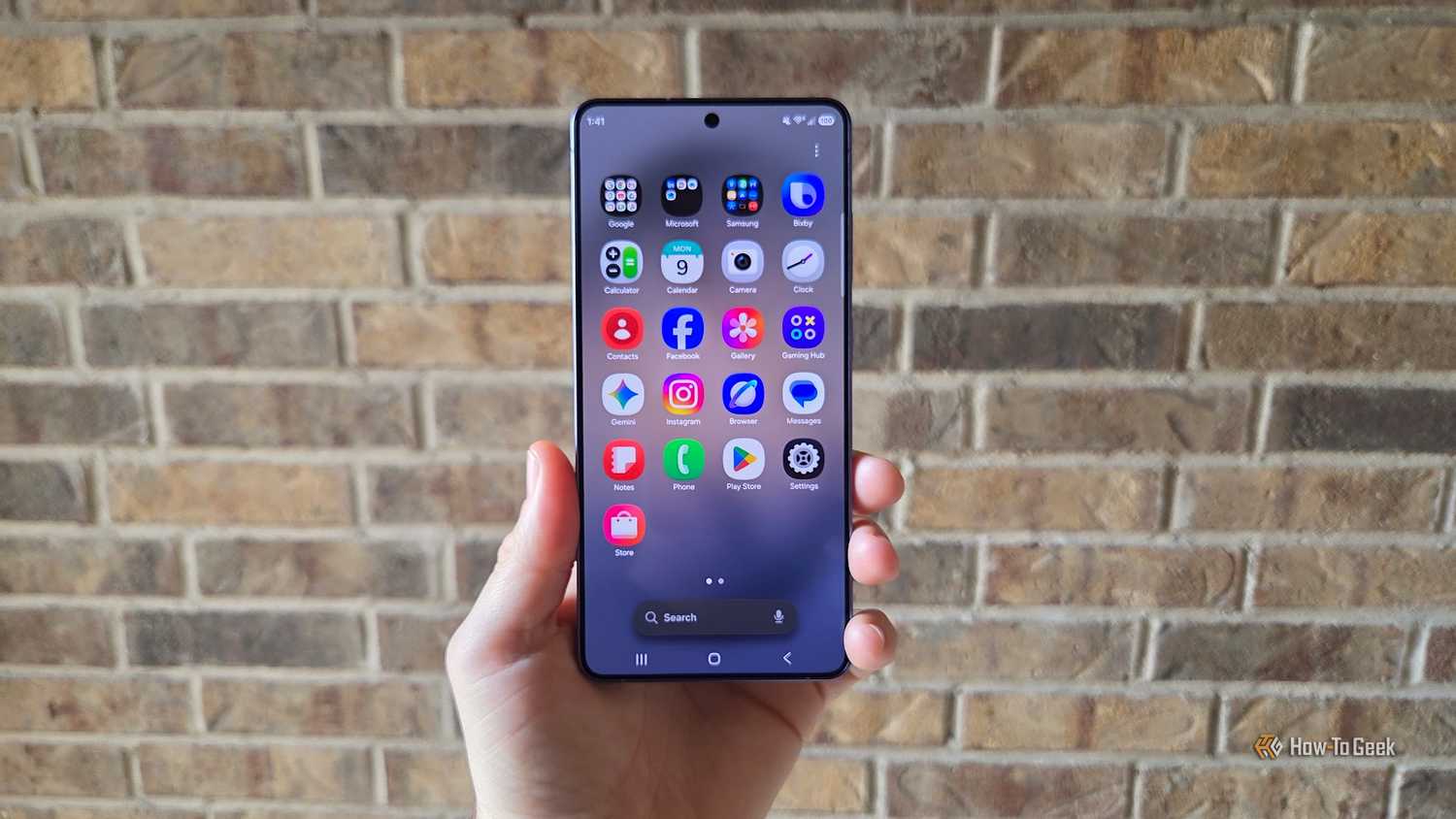


It's been evident for a long time how much smartphone development has plateaued. The first decade of the smartphone era brought exciting new devices on a yearly basis. In the second decade, they settled into incremental updates. And in the last few years, it has become even more exaggerated.
The differences between one generation and the next are barely noticeable, with even relatively affordable phones being fast enough. There will always be people who want the best of the best, but the average user would have to go very budget to find a phone that wasn't suitable for their day-to-day needs.
Cameras do continue to improve, but they're usually refined rather than transformed, and are often driven by software rather than hardware.
We've lost the things that once made Android phones distinctive. The funky form factors that manufacturers used to experiment with are long gone, as is expandable storage. And phones with unlockable bootloaders that cater to enthusiasts are rarer than they used to be. Foldable phones are the only new category of product that's emerged in the last few years, and they come with often eye-wateringly high price points.

Samsung Galaxy Z Fold 8
- Display
- RAM
The Galaxy Z Fold 8 is the first wide-format book-style foldable from Samsung. It's short external dimensions make this one of the most pocketable phones you can own without sacrificing screen size.
If you aren't an AI enthusiast, you have to look very hard to find the interesting things in this year's phones and compelling reasons to upgrade.
Some new phones are actually worse than last year's
Manufacturers are charging more for less

You might get slower storage, for example, or smaller camera sensors with the promise that AI will take up the slack. Some of these changes are seen less at the high end, but they're very common in the mid-range. You might also see the base models get hobbled as a way to push you into buying the next level up.
Despite this, we're being charged more. RAM and storage prices in particular are making phones a lot more expensive to build and sell, and prices are rising in other ways, too.
The attractive pre-order deals that would entice you to buy a new phone are less attractive than they once were. When I bought my Pixel 7 four years ago, I got free Pixel Buds Pro with it. You rarely get offers like that anymore. In addition, it feels like trade-in prices are less generous than they were, to the point where keeping your device for longer actually pays off.
Long software support makes new phones harder to justify
It's easier than ever to keep your phone for longer

The biggest development in smartphones over the last few years happens to be the biggest argument against upgrading. Google and Samsung will now give you as much as seven years of software support for their phones. Motorola is a little less generous, but a lot of their flagships will give you five years. It makes keeping a phone for longer more practical.
The biggest obstacle to keeping a phone for many years is the battery, which will diminish over time. Yet, where a dead battery used to mean a new smartphone, batteries are now much easier and more affordable to replace, whether through self-repair or via an authorized service center.


Buy older, not newer
Last year's model is just as good

This doesn't only apply to flagships, but to mid-range and cheaper phones as well. So what's the best way to go?
Buying older rather than newer is a good start. At most price points, last year's model will be just as good as this year's, but often a lot cheaper. Refurbished phones are a good choice as well, and are often as good as new. Within a couple of months of a new phone going on sale, you'll find them on sale as open-box products with as much as a 10-20% discount.
And don't be suckered into upgrading just for the sake of it. If you want some new tech to play with, then buying used phones will often scratch that itch.

No comments:
Post a Comment